

 EN
EN
 English
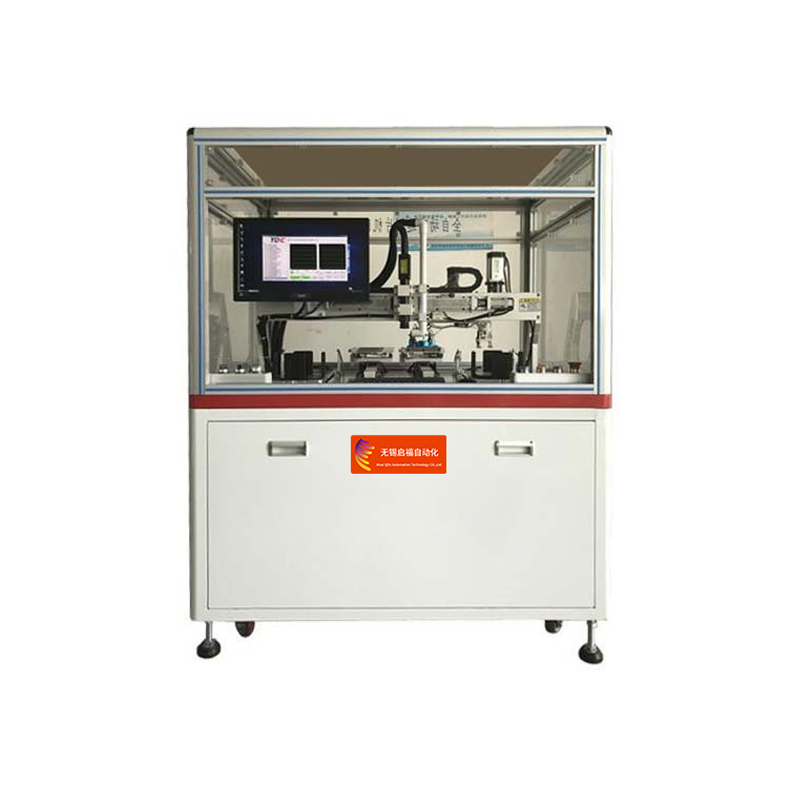
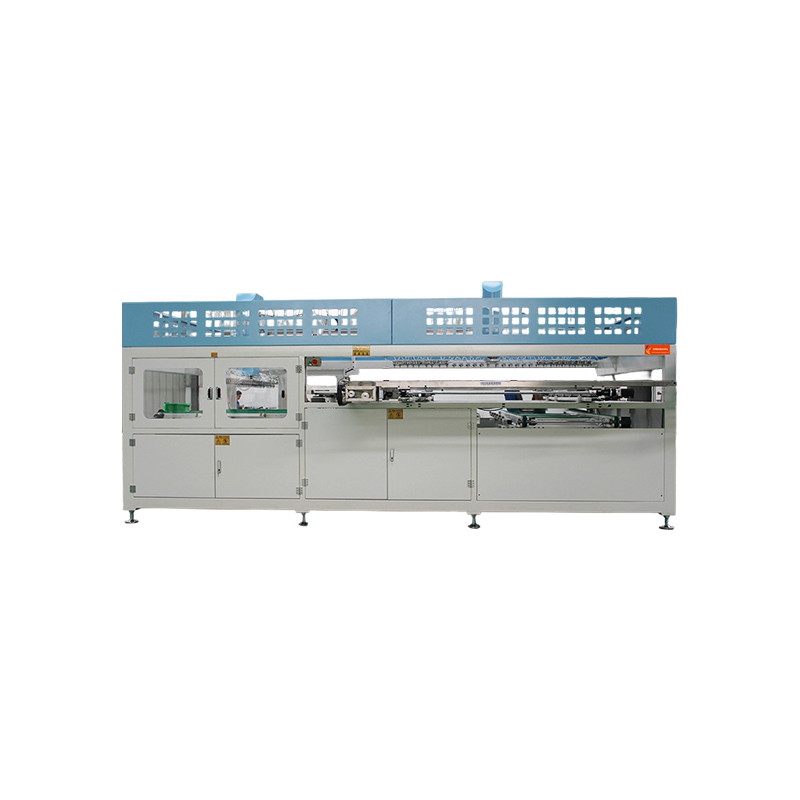
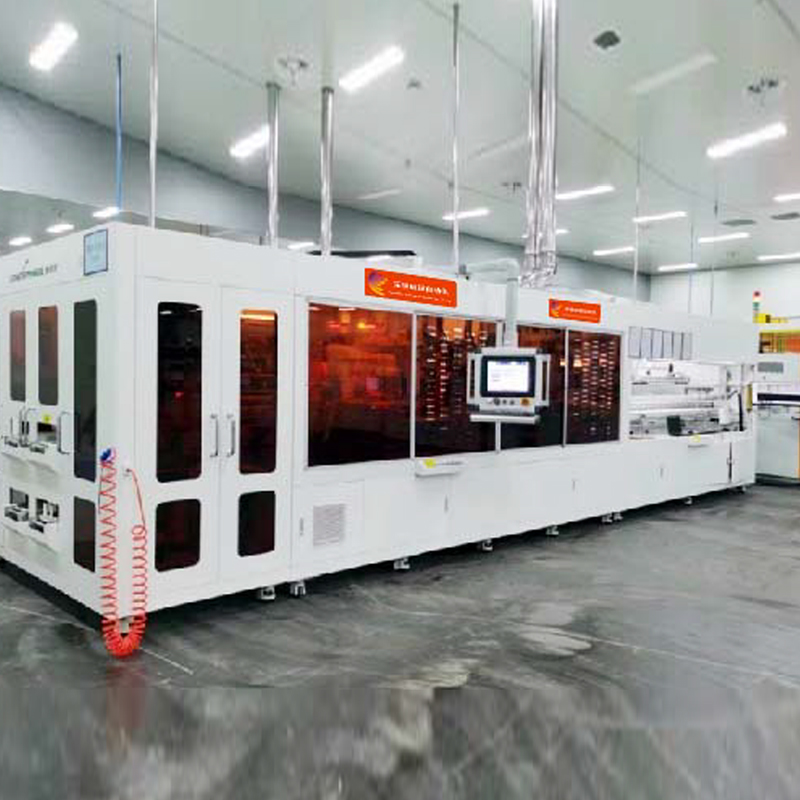
In the rapidly evolving photovoltaic (PV) industry, manufacturers are constantly striving to boost production efficiency, cut operational costs and guarantee product quality. As an indispensable core device on PV module production lines, the fully automatic layout machine delivers robust support to module manufacturing thanks to its high automation level, precise positioning capability and excellent safety performance. This article elaborates on its full range of functions and application value in modern PV production.
1. Automatic picking, positioning and calibration of cell strings from the conveyor line
The machine can seamlessly connect with the cell string conveyor and automatically pick up cell strings. Supported by high-precision robotic arms and advanced sensors, every picking action is completed accurately. Afterwards, the equipment immediately performs positioning and calibration, a critical step to ensure subsequent layout accuracy. Equipped with a built-in image processing system and sophisticated algorithms, it quickly identifies geometric features of cell strings and adjusts their positions automatically, laying a solid foundation for follow-up placement.
2. Automatic placement of cell strings onto glass according to polarities; positioning accuracy up to ±0.2mm
In PV module production, the arrangement of cell strings directly determines power generation efficiency and operational safety. Following preset programs, the machine automatically identifies the positive and negative polarities of cell strings and places them onto glass substrates in designated orientations. The process requires ultra-high positioning accuracy and uniform gaps between cell strings, which prevents thermal stress and uneven current distribution during encapsulation. With a positioning accuracy of ±0.2mm, the machine ensures precise placement of cell strings and guarantees efficient power generation of finished modules.
3. Combined rate of cell breakage and hidden cracks ≤ 0.05%
PV cells are fragile, so production equipment must operate with extreme care to avoid breakage and hidden cracks. By optimizing mechanical structure, adopting soft-contact gripping technology and applying precise motion control algorithms, the machine effectively reduces mechanical stress during operation and keeps the combined rate of cell breakage and hidden cracks below 0.05%. This plays a vital role in improving the overall quality and extending the service life of PV modules.
4. Fully automatic operation with no manual intervention required
High automation is the core advantage of this layout machine. The entire workflow, including cell string picking, positioning and placement, is executed autonomously without manual operation. It greatly improves productivity, reduces labor costs, and eliminates errors and potential safety hazards caused by manual work. The intelligent control system monitors operating status in real time and adjusts parameters adaptively for cell strings of different specifications, ensuring continuous and stable production.
5. Safety fence with access interlock to prevent personnel from entering during operation
Operator safety is fully considered in the equipment design. A sturdy safety fence with access interlock switches is installed around the machine. Authorized personnel can only enter the working area when the equipment is shut down or under maintenance. This design effectively prevents personal injuries caused by accidental entry during operation and facilitates on-site safety management. In addition, the machine is fitted with multiple safety protections such as emergency stop buttons and over-limit alarm systems to further enhance operational safety.
To conclude, the fully automatic layout machine boasts high efficiency, outstanding precision and reliable safety, making it irreplaceable in PV module production. It helps enterprises improve productivity, reduce costs, and enhance the quality and reliability of PV modules, thus contributing greatly to the sound and sustainable development of the PV industry. With continuous technological innovation and expanded application, the machine will play an increasingly important role in the future growth of the photovoltaic sector.

 Click to Contact Us
