

 EN
EN
 English
PV manufacturing equipment refers to machinery used for producing solar PV cells and PV modules. Driven by the rapid growth of the solar photovoltaic industry, such equipment has been widely adopted. This article gives a detailed introduction to its categories, working principles and significance in the PV sector.
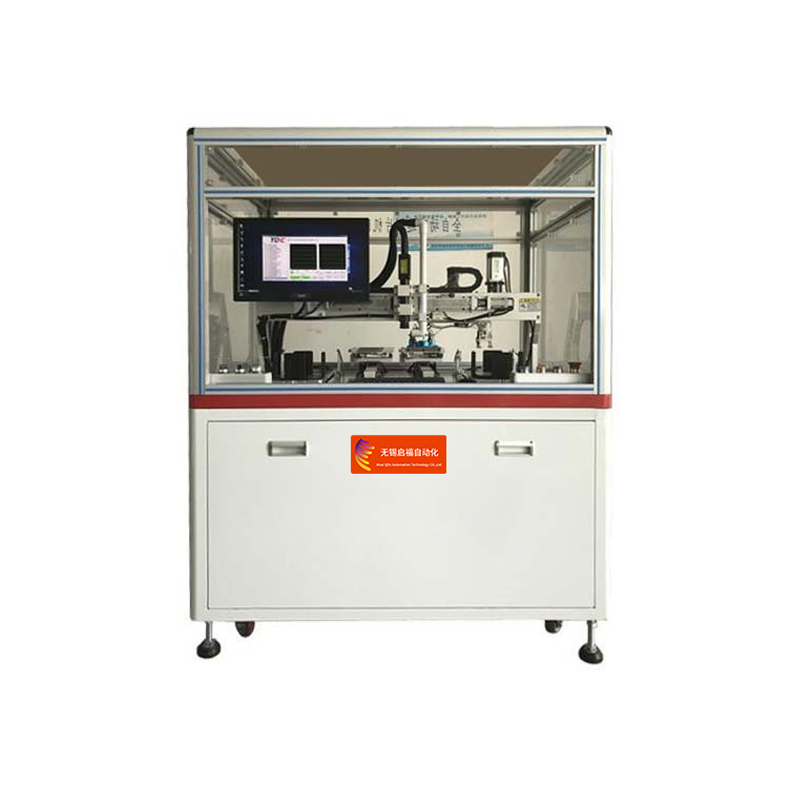
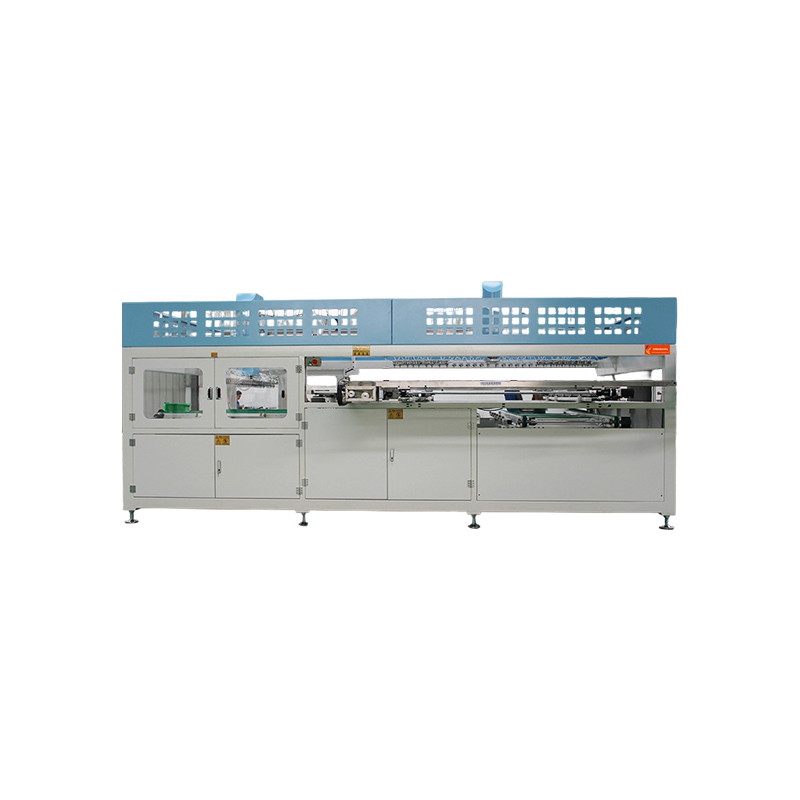
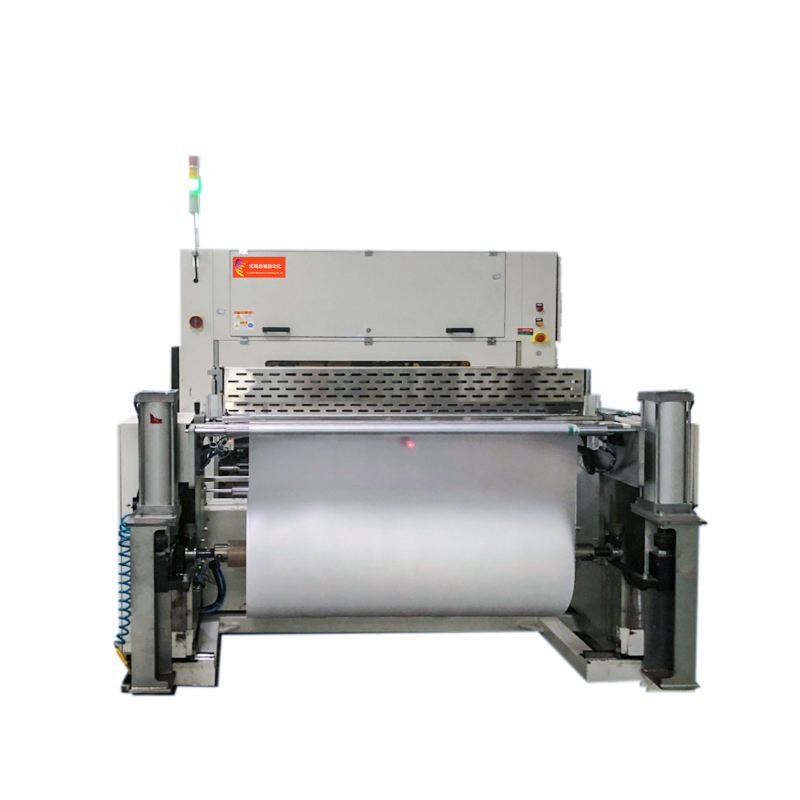
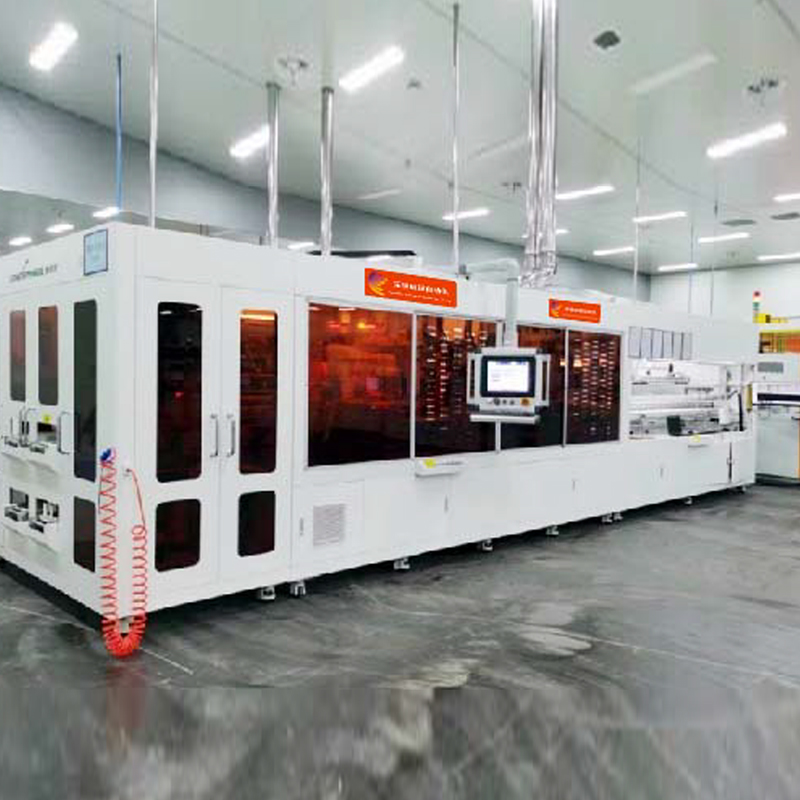
PV manufacturing equipment falls into two major categories: PV cell manufacturing equipment and PV module manufacturing equipment.
PV cell manufacturing equipment mainly includes silicon wafer production equipment, PV cell fabrication equipment and PV cell testing equipment. Silicon wafer production equipment manufactures silicon wafers, the core raw material of solar cells. PV cell fabrication equipment processes silicon wafers into finished solar cells. PV cell testing equipment conducts performance evaluation and quality inspection on solar cells.
PV module manufacturing equipment consists of module assembly equipment and module testing equipment. Module assembly equipment assembles solar cells into complete PV modules, while module testing equipment verifies the performance and quality of finished modules.
The working principles of PV manufacturing equipment are mainly based on the photovoltaic effect and semiconductor processing technology. The photovoltaic effect describes the phenomenon that photons convert light energy into electric energy when illuminating semiconductor materials. Semiconductor processing refers to fabrication procedures leveraging the properties of semiconductor materials. With such technologies, PV manufacturing equipment processes silicon wafers into solar cells and further assembles cells into PV modules, playing an indispensable role throughout the production process.
PV manufacturing equipment is of great importance to the photovoltaic industry. First, its performance and quality directly determine the quality and technical indicators of PV cells and modules. High-quality manufacturing equipment helps improve the conversion efficiency and operational stability of products, thus enhancing the overall performance of solar power generation systems.
Second, the automation level and production efficiency of the equipment greatly affect the competitiveness of the PV industry. Highly automated production lines boost output and cut production costs, strengthening the market competitiveness of manufacturers.
Third, technological innovation in PV manufacturing equipment fuels the advancement of the whole industry. Continuous technological upgrades keep improving the performance of PV cells and modules and reducing the cost of solar power generation, which in turn drives the rapid development of the photovoltaic sector.
In conclusion, PV manufacturing equipment is an essential part of the photovoltaic industry. It realizes the fabrication of solar cells from silicon wafers and the assembly of PV modules via semiconductor processing. The performance, quality, automation level and productivity of such equipment exert profound impacts on product quality and industrial competitiveness, while its technological progress continuously promotes industrial upgrading. With the sustained expansion of the solar photovoltaic industry, PV manufacturing equipment will embrace broader prospects for development.

 Click to Contact Us
